
Digital vs. Film Wedding Photography
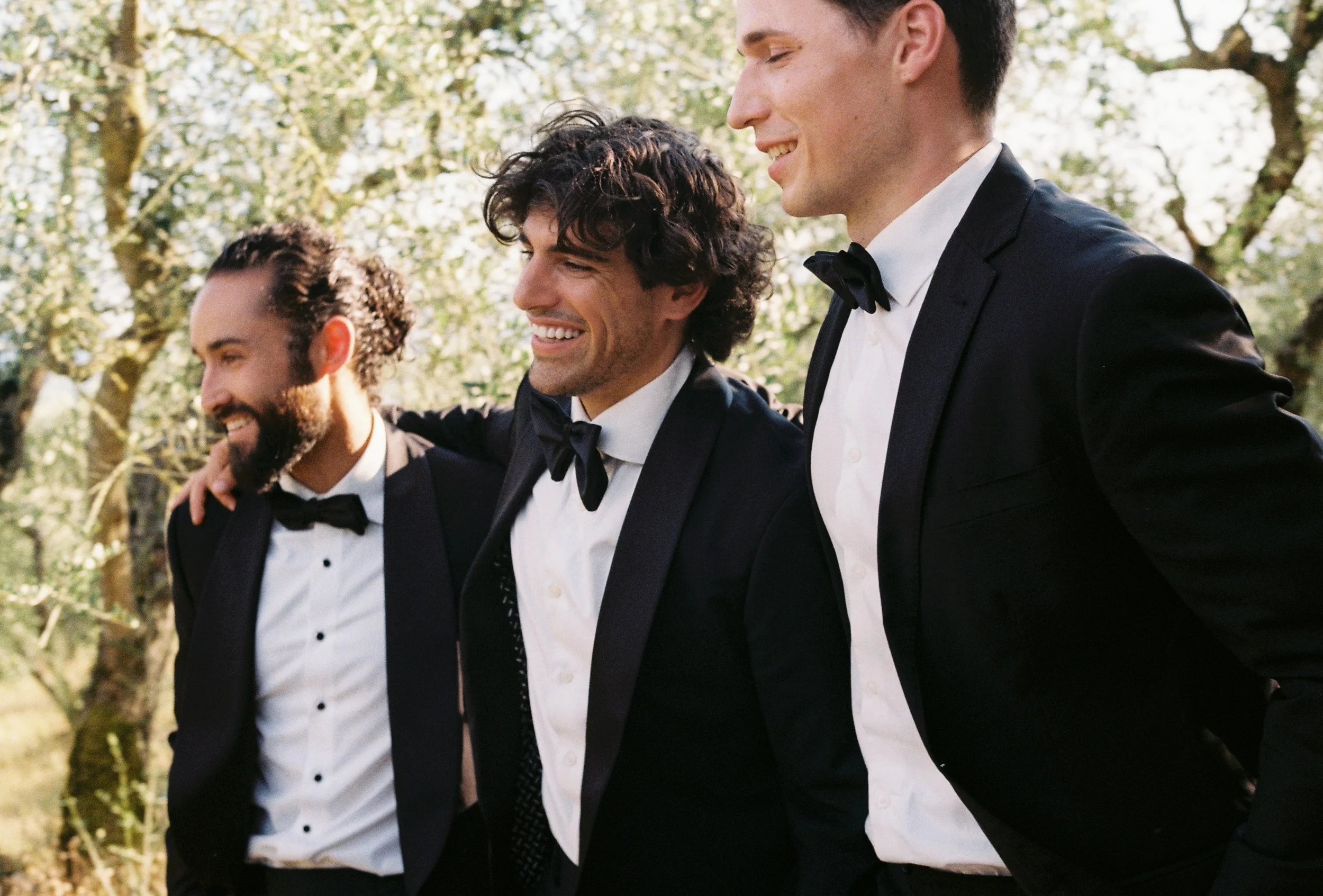
A Complete Guide to Choosing Between Digital and Film (or Both!) for Your Wedding Day
When planning your wedding, choosing a photography style that reflects how you want your day to feel and be remembered is just as important as choosing the right photographer.
Just like in fashion, photography trends evolve—some timeless styles resurface, while new ones emerge and inspire. Whether your vision leans romantic, editorial, documentary, cinematic, or somewhere in between, every wedding photographer brings their own artistic touch to preserve your memories.
In recent years, film photography has made a huge comeback. Many photographers and couples are drawn to its nostalgic grain and organic texture, offering a softer alternative to digital’s modern sharpness and vivid clarity.
Film vs. Digital Photography: Side-By-Side Comparison
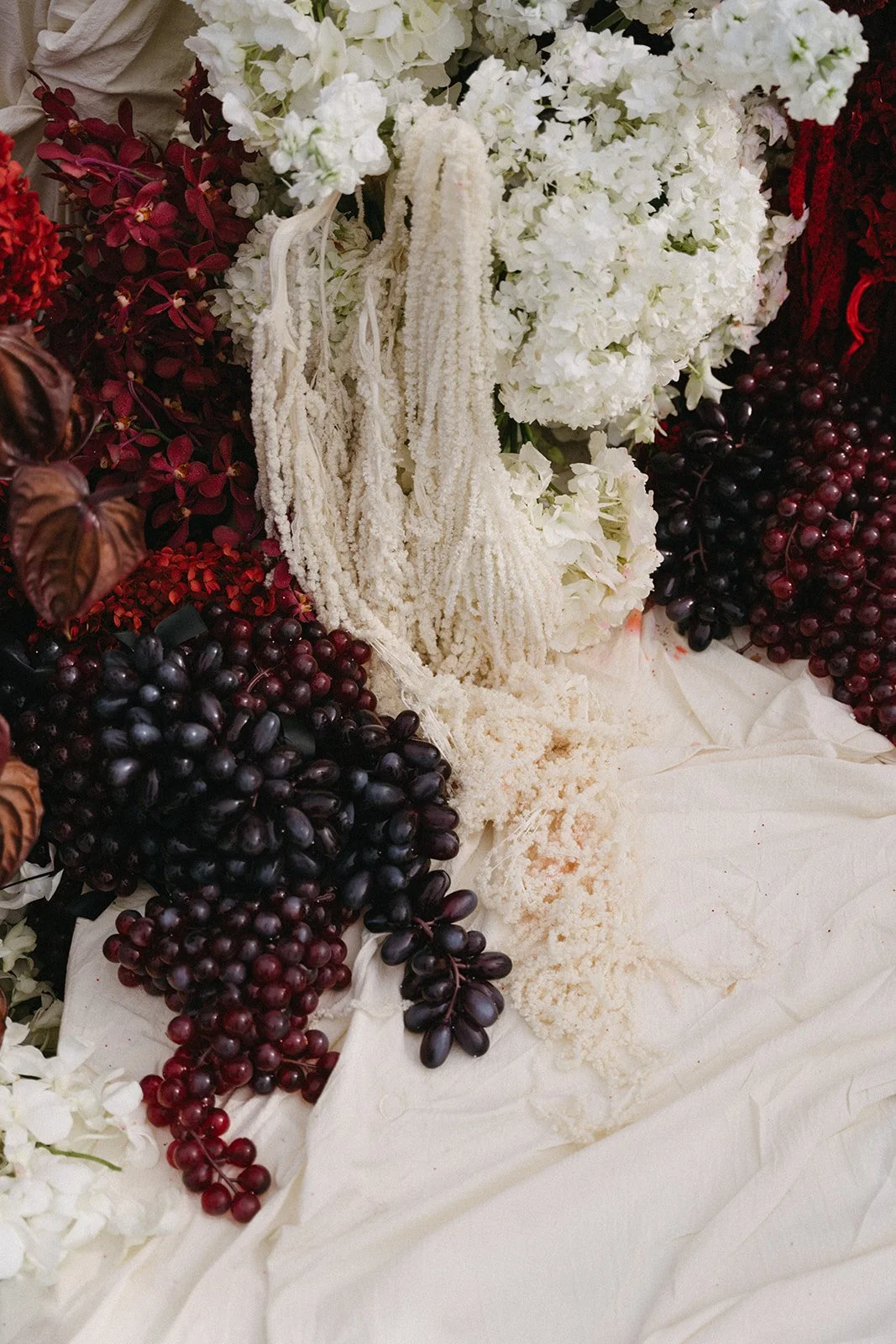
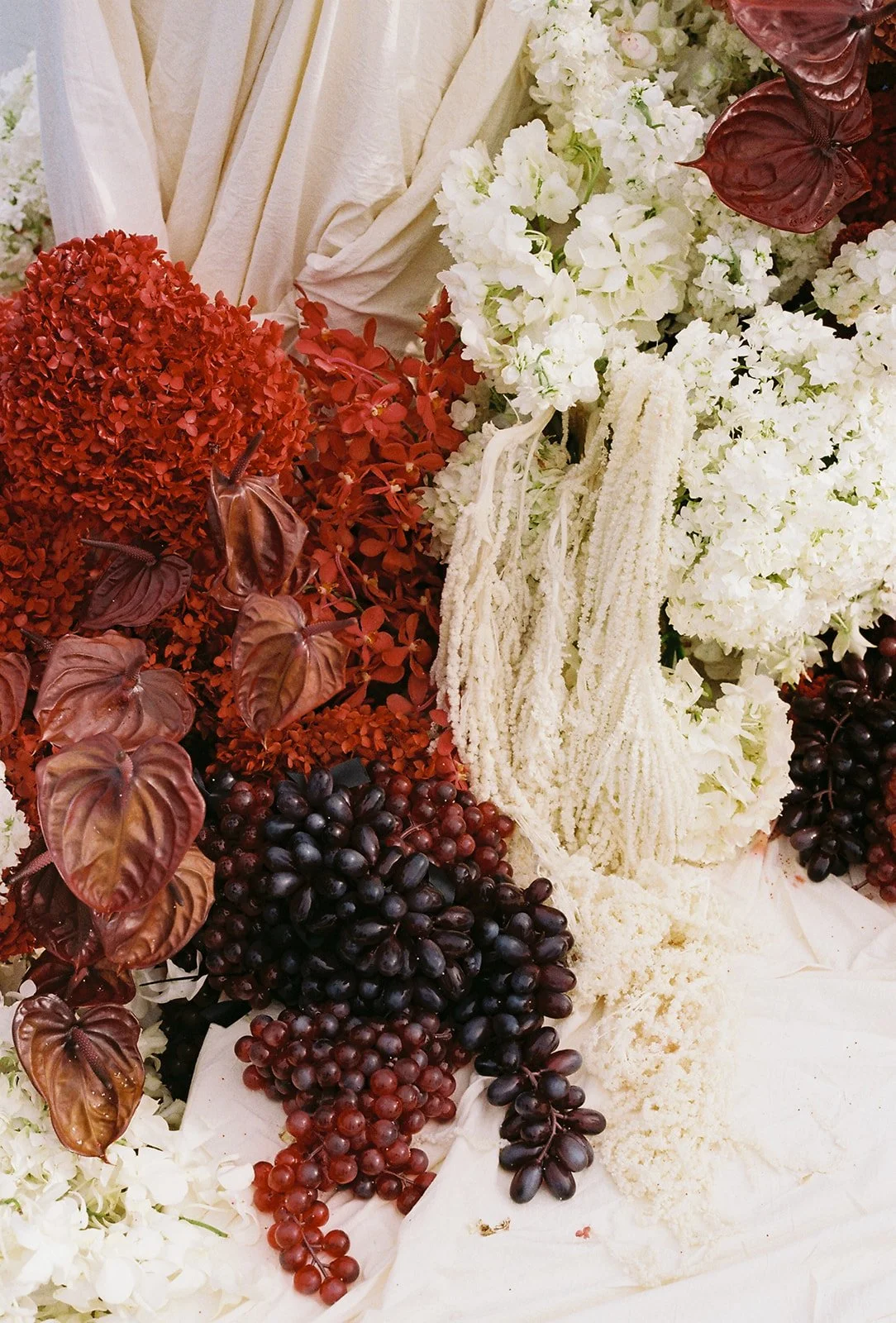
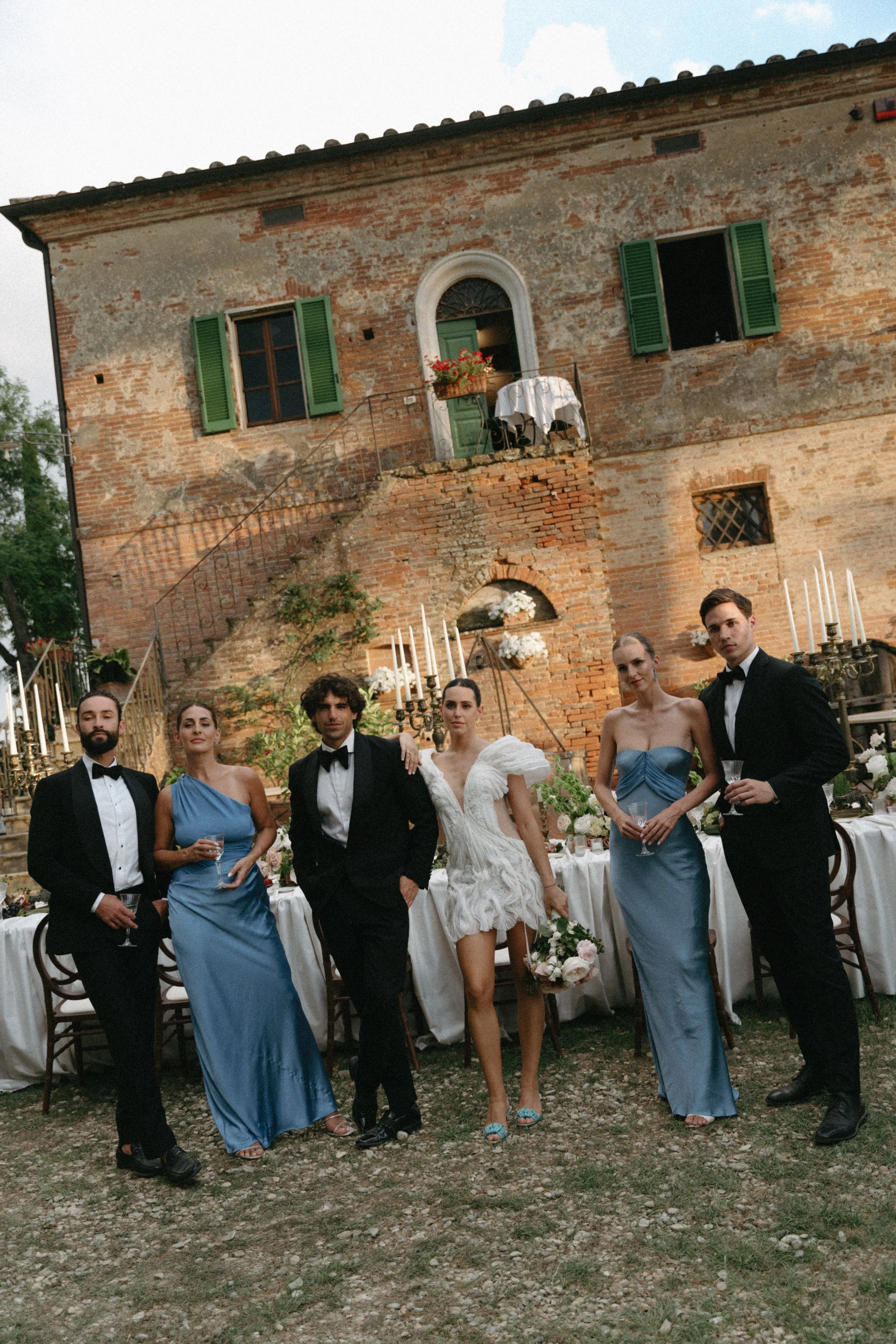
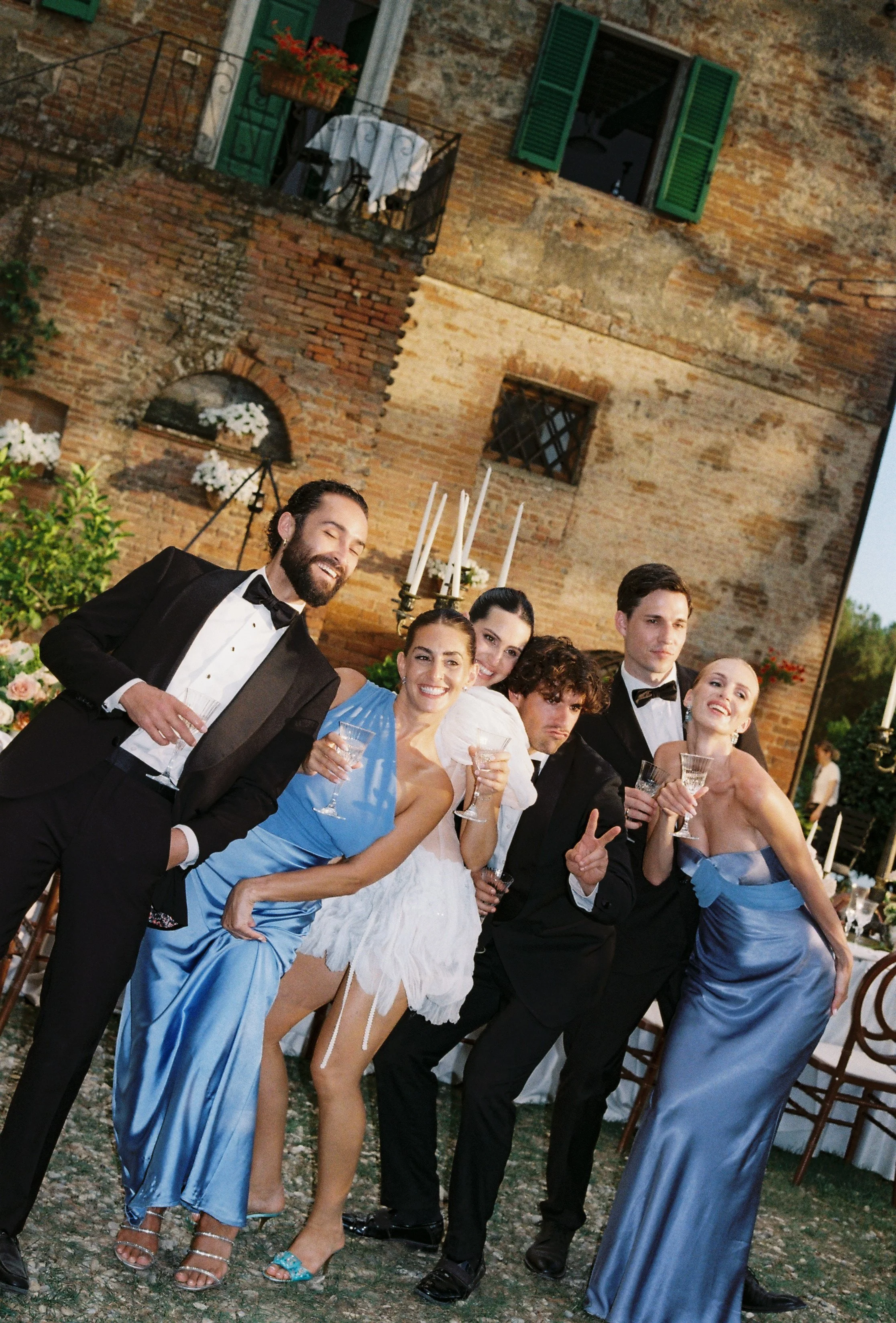
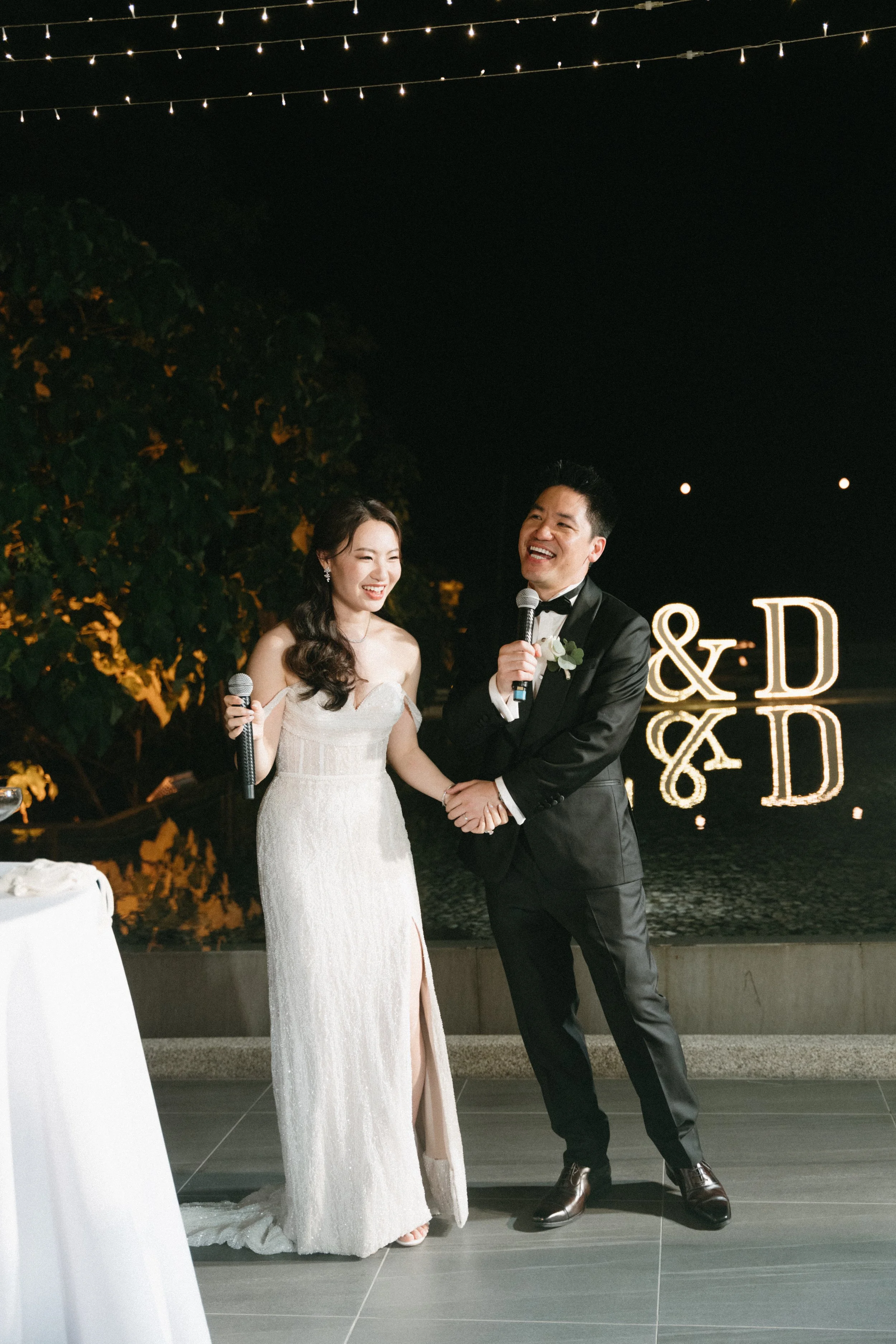
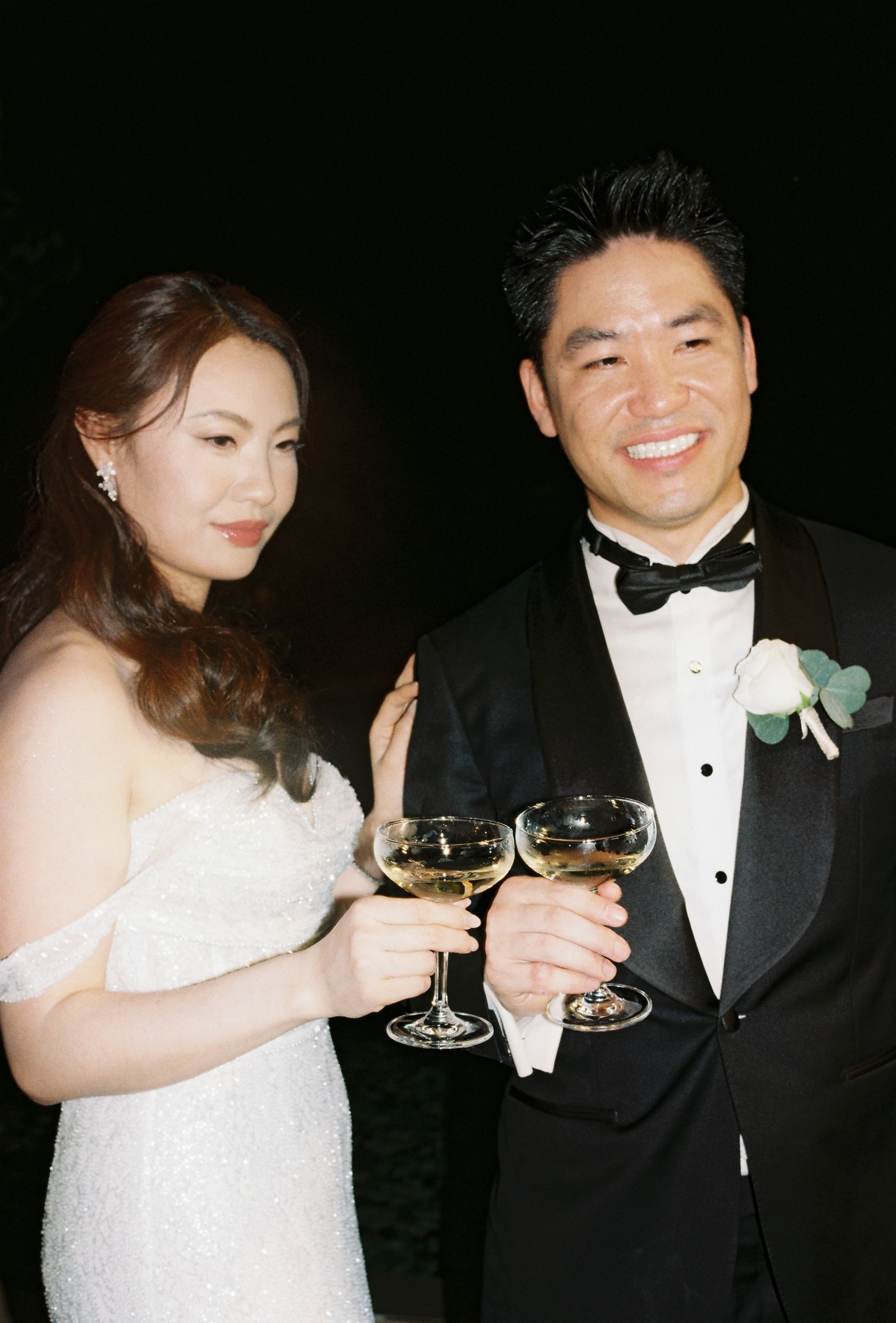
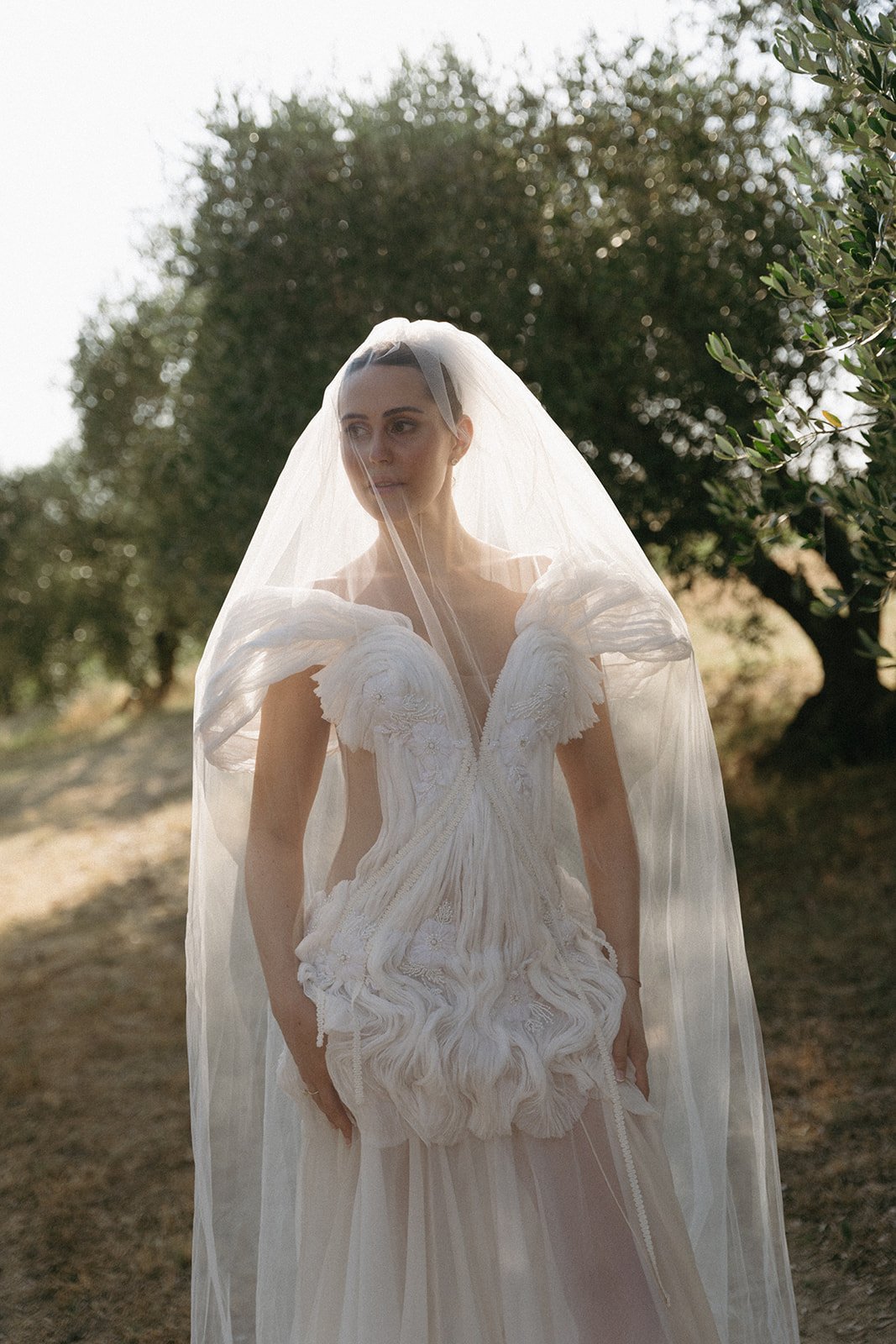
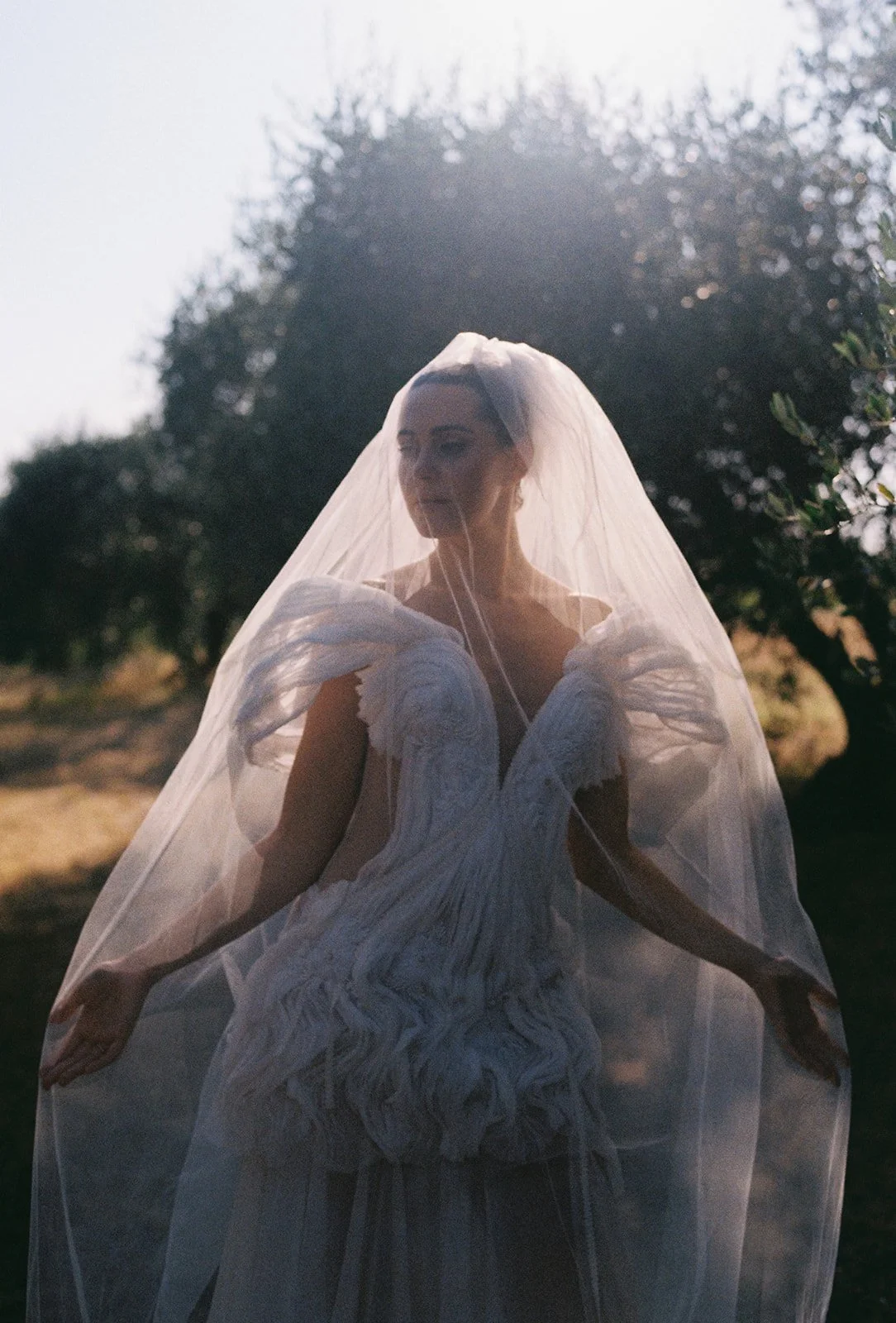
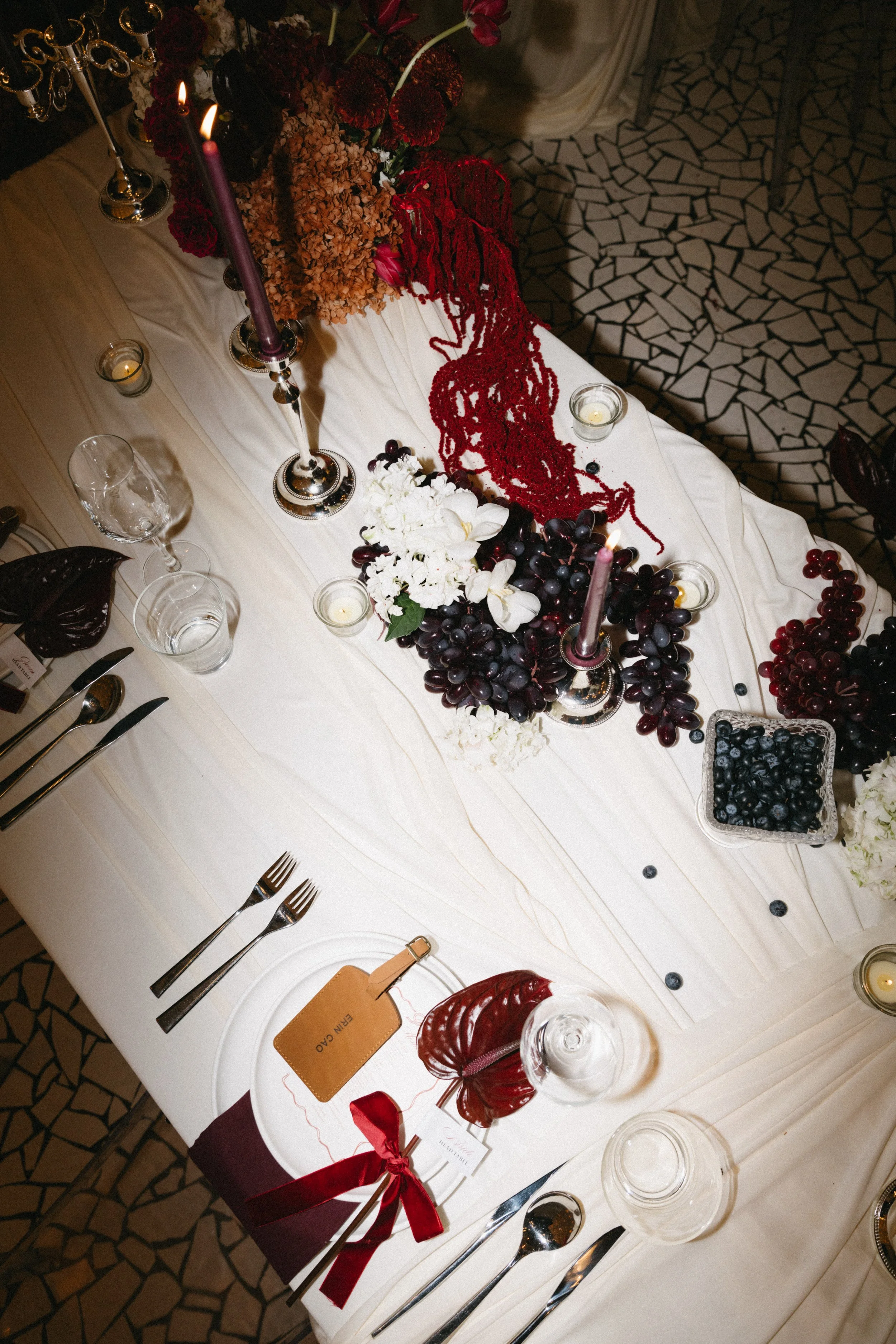
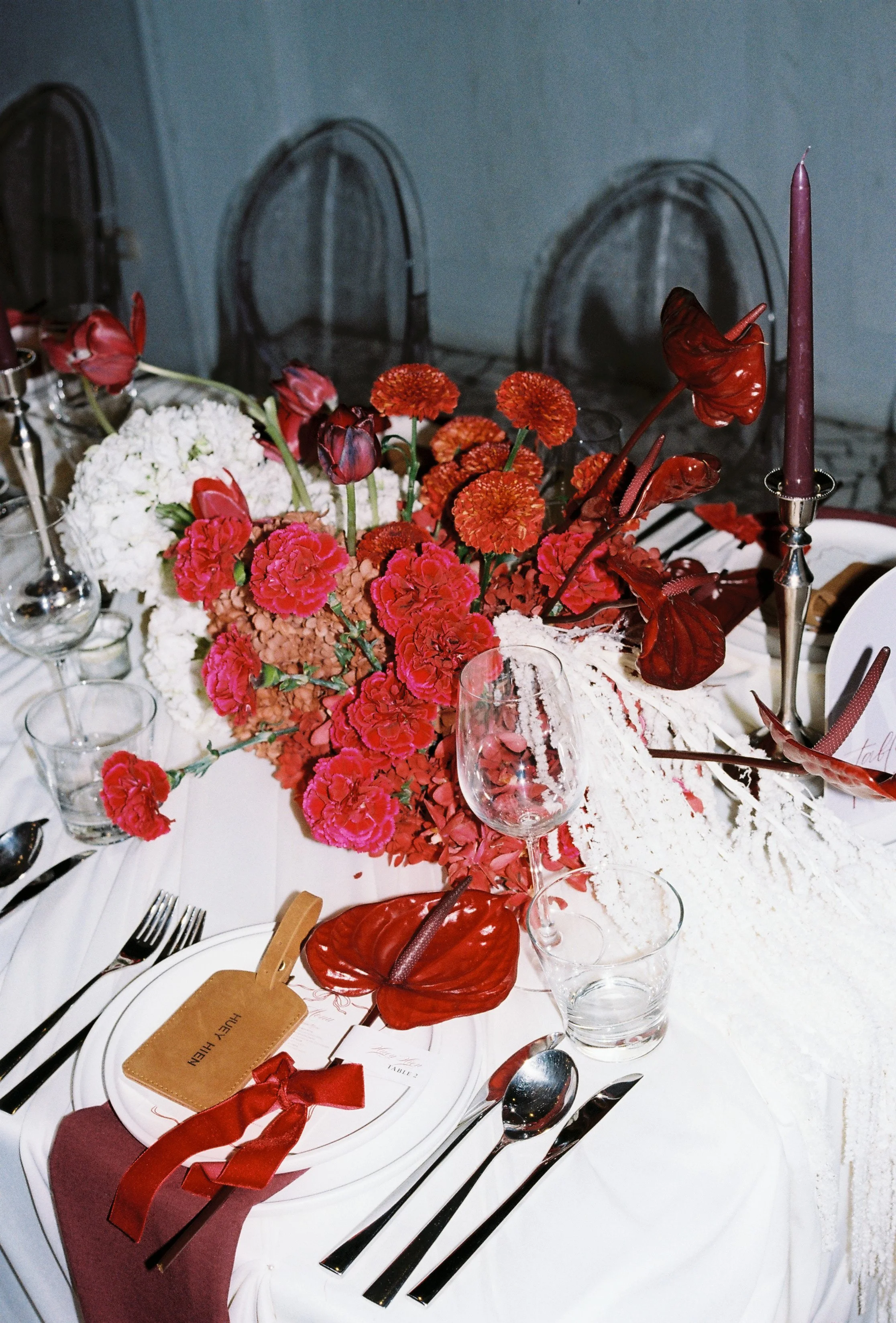
While both film and digital photography capture your story beautifully, they do so in different ways. From the way they render light and colour to the overall mood and emotion of your images, understanding the difference can help you decide which format (or combination of both) feels most true to you.
From a Photographer’s Perspective: How Each Medium Shapes the Look & Feel of Your Wedding Photos
To compare the two mediums, imagine the same scene captured in two ways: digital photography is like a fine-line pencil sketch, precise, highlighting every detail with clean definition and vibrancy. Film, in contrast, is more like a watercolour painting—soft, layered, and textured—where light, shadow, and tone blend naturally to create emotion and depth.
Digital Wedding Photography
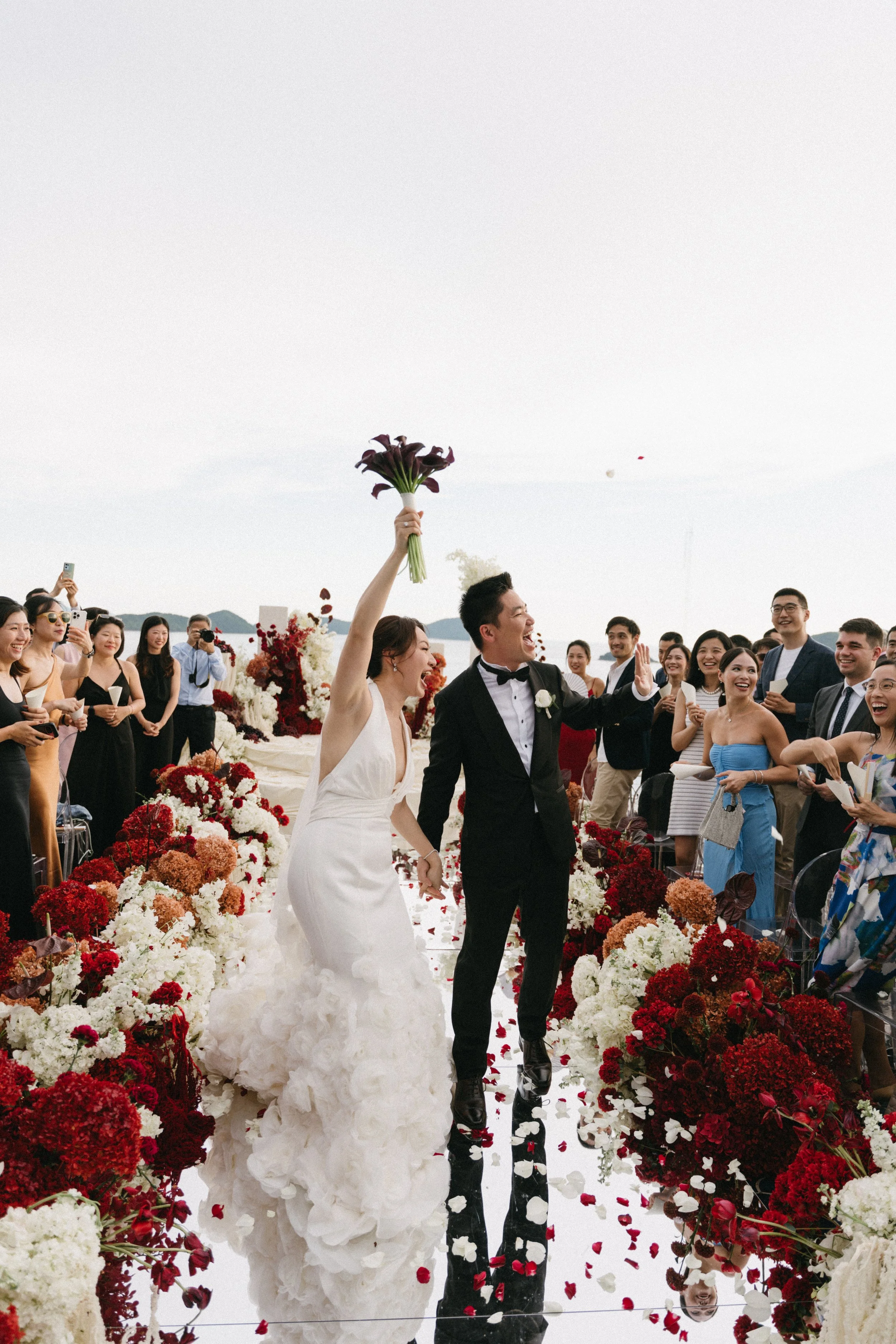
Digital cameras offer real-time versatility, speed, and precision. You can capture thousands of high-resolution images on a single memory card in just a few hours.
Digital photography is better for full-day wedding coverage, easily adapts to low-light conditions, and is perfect for capturing fast, fleeting moments, making it the more “forgiving” option.
Plus, images can be quickly uploaded and edited for sneak peeks.
Film Wedding Photography
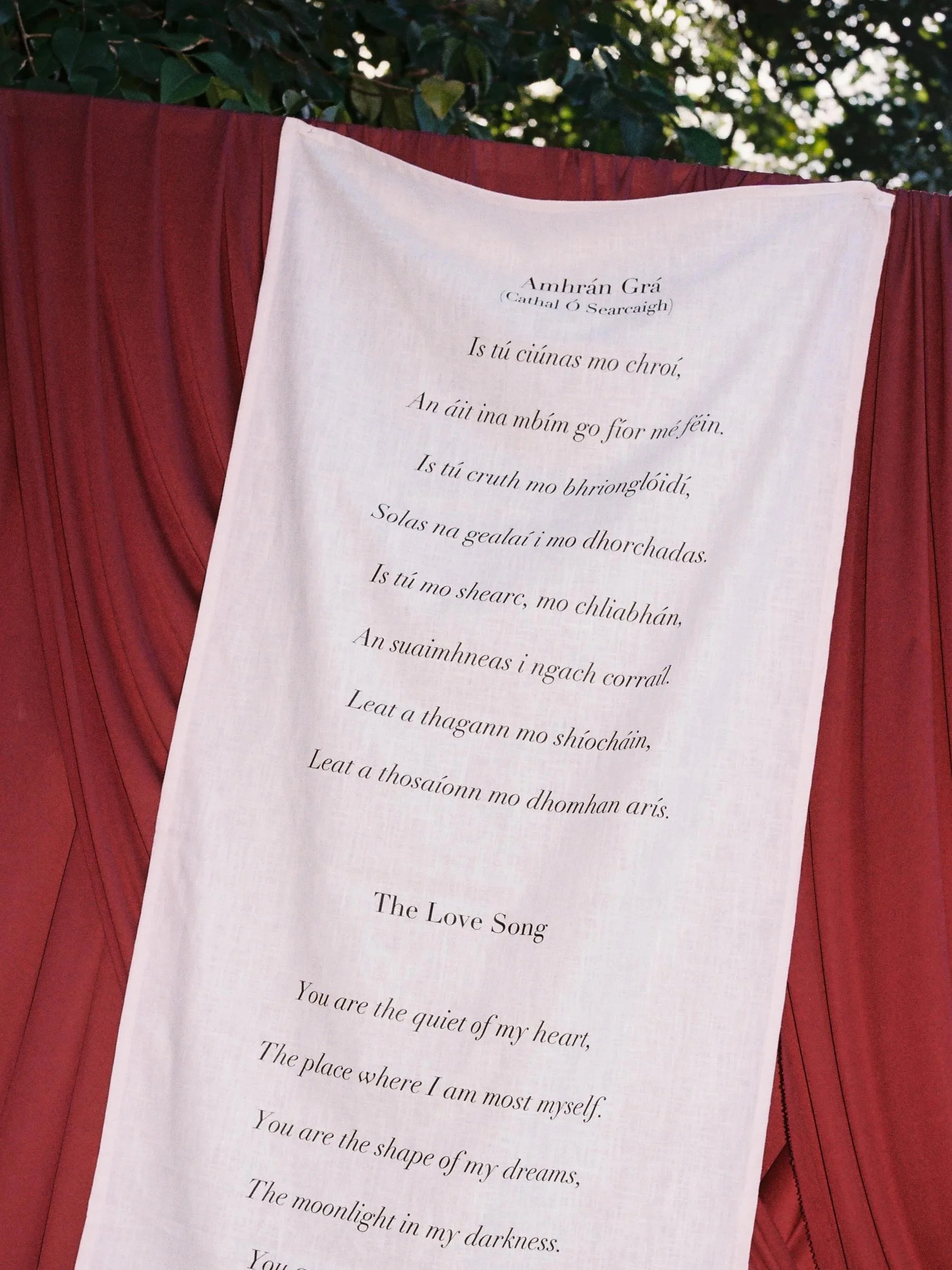
On the other hand, film photography is far less “trigger-happy” and requires a much more deliberate, skilful approach on the day.
With fewer and slower shots per moment, film photography requires thoughtful composition and intentional shooting.
Its dreamy, grainy aesthetic and natural imperfections evoke a sense of cinematic romance and emotion that’s simply irreplicable.
Let’s Explore the Key Differences Between Digital & 35mm Film Photography
| Aspect | Digital Photography | 35mm Film Photography |
|---|---|---|
| Look | Crisp, clean, and vibrant — perfect for capturing action shots, micro reactions, reception moments, and intricate details. |
Soft, textured, and nostalgic — with natural grain and gentle tones that feel timeless, cinematic, and romantic. Using flash adds a touch of sharpness and richness without losing that dreamy quality. |
| Process | Fast and flexible. Your photographer can take thousands of photos without worrying about running out of space. | Slower and more intentional. Every frame is carefully considered because of the limited number of shots per film roll. |
| Reviewability | Photos can be checked on the spot, allowing your photographer to make quick adjustments or retake a moment if needed. | Photos can’t be seen until the film is developed, which adds a sense of anticipation and excitement once you see the final images. |
| Capacity | Depending on the camera resolution, photo file format, and other factors, a single memory card can hold thousands of photos (for example, a 64GB card can store about 2,000–9,000 shots). | A standard roll of 35mm film captures only 24-36 photos. |
| Editing | Easily refined with editing software — colours, lighting, and even framing can be adjusted after the shoot. | The unique look comes straight from the film itself. |
| Delivery | Usually, it is much faster, since everything is digital and ready for editing straight away. | Takes longer because the film needs to be developed and scanned at a professional processing lab, then edited before being shared. |
| Cost | More affordable overall. | Often more expensive, as film rolls, lab processing, and scanning all add to the cost, along with the extra gear required. |
So, Which is Better: Digital or Film for Your Wedding?
Honestly, there’s no right or wrong choice! Both digital and film photography bring their own kind of magic to your wedding day, so it ultimately comes down to your personal preference.
From my perspective, digital photography forms the main foundation, while film is a beautiful “add-on”. Film photography’s overall unpredictability—whether in exposure, lighting, or processing—gives each frame its own unique character.
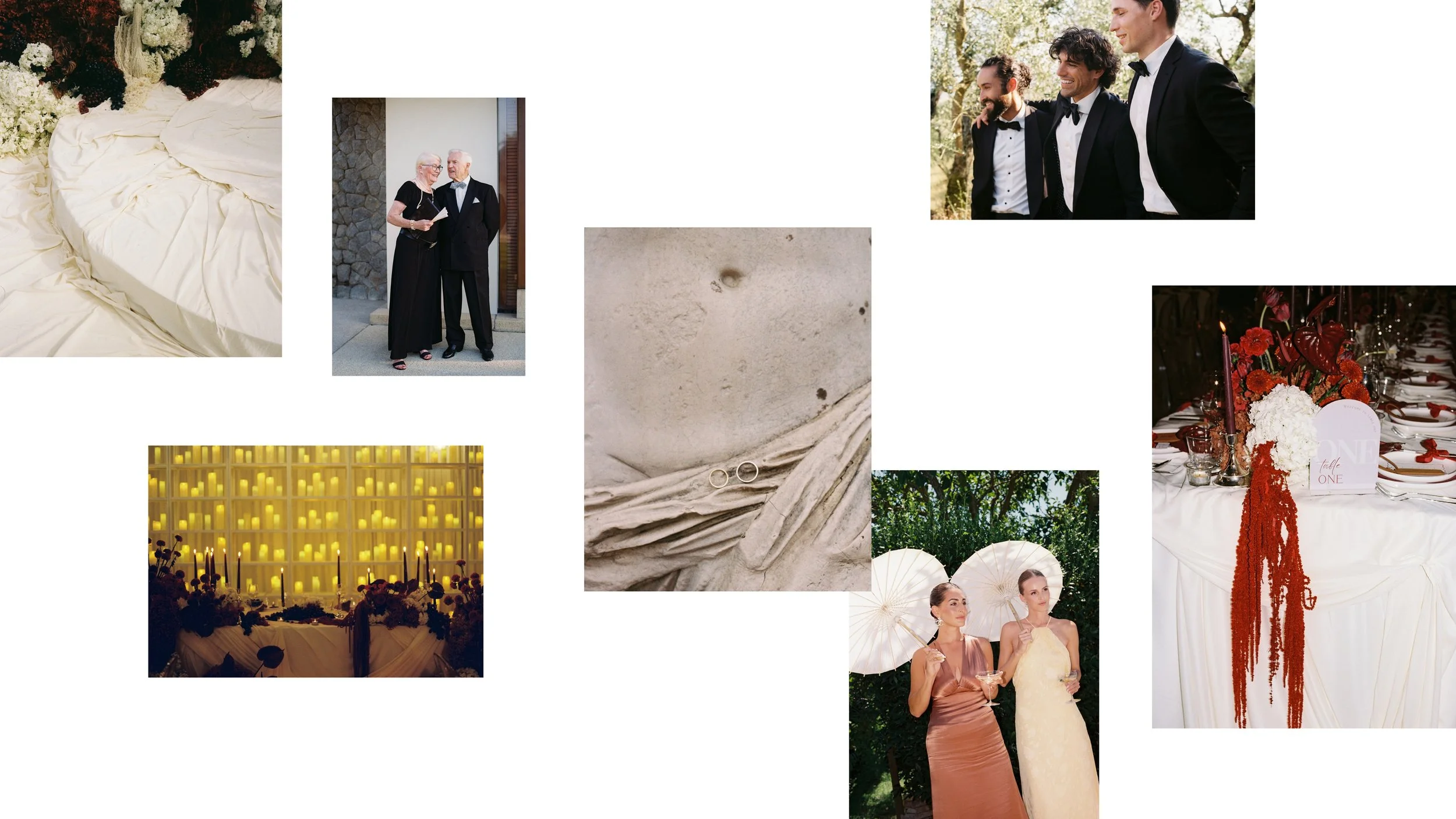
Combining Digital & Film Wedding Photography for Layered Storytelling
As a hybrid wedding and elopement photographer based in Phuket, I often blend digital and 35mm film photography for added depth and variety, using each medium where it shines.
Some moments unfold too quickly for the slower pace of film, so digital is ideal for capturing multiple quick storytelling shots—like the bride walking down the aisle while little ones scatter petals, ensuring complete coverage of the action and the guests' reactions.
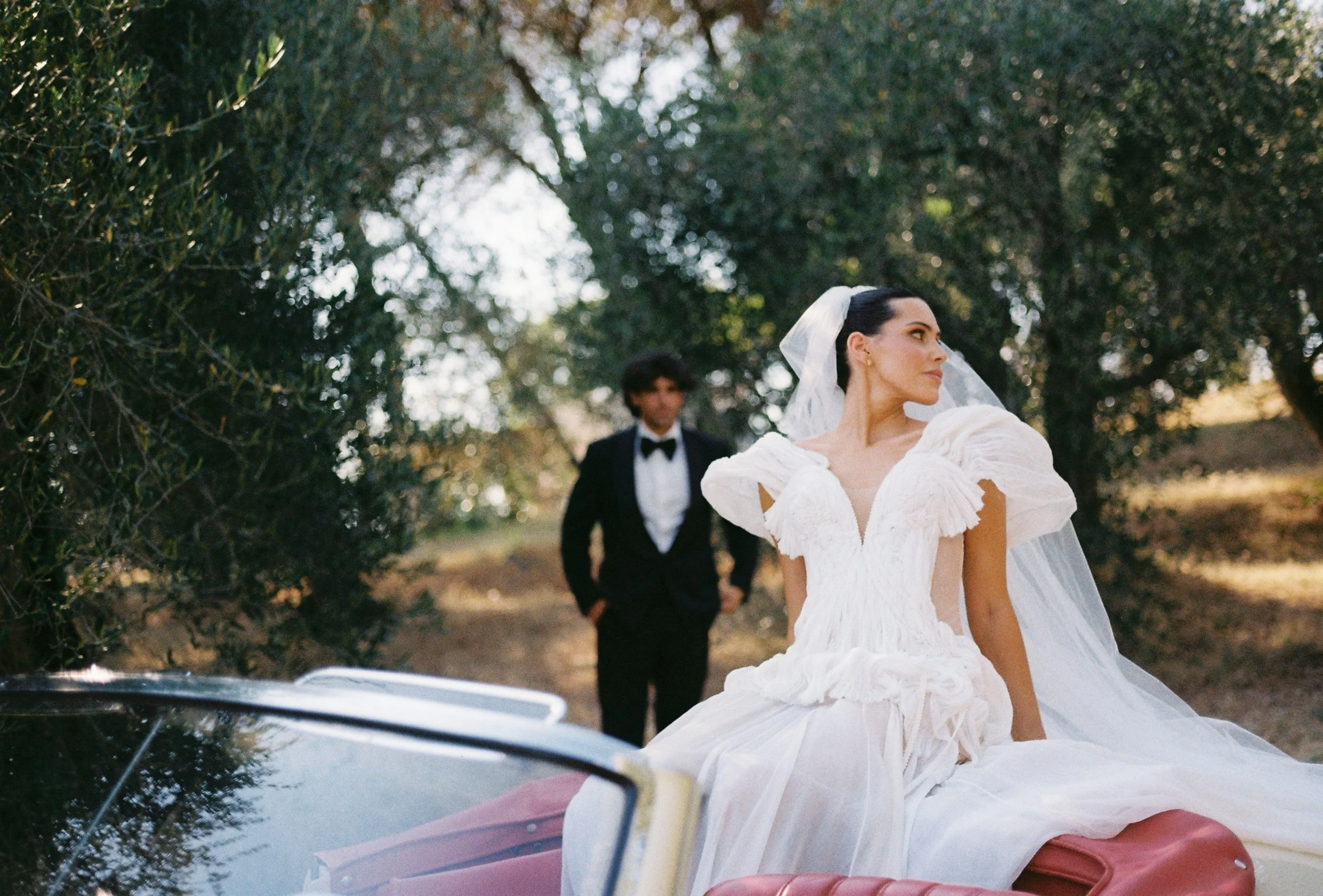
Film works beautifully for quieter, intimate moments, such as a first look or a lingering embrace during the reception, where taking the time to compose each frame elevates the image's emotion and artistic quality.
Put together, digital and film photography are a perfect pairing, documenting your wedding in a way that feels modern yet timeless, and iconically layered with genuine emotion.
Honoured to be Your Phuket-Based Digital & Film Wedding Photographer — Serving Asia, Europe & Beyond
Whether you choose digital photography, film photography, or a blend of both, my editing style always leans toward soft, natural tones for a timeless finish that lets your emotions shine through.
Above all, every love story deserves to be captured in its own light. My approach is intuitively centred on you—inspired by your connection, your energy, and the way your day unfolds.
Whether you’re planning a luxurious resort wedding in Thailand, a vineyard celebration in Tuscany, or an intimate destination wedding in Switzerland, I’d love to learn more about your vision and explore how I can help you preserve not just how your day looked, but how it felt to live it.
Explore my wedding photography packages, or please get in touch for a complimentary consultation.
